What Is an I-130?
The Form I-130 (Petition for Alien Relative) is the first major step for a U.S. citizen or lawful permanent resident to sponsor a family member for a green card. It establishes the qualifying family relationship between the petitioner and the beneficiary — a spouse, parent, child, or sibling, depending on the category.
Once the I-130 is approved, it opens the door to the next phase: the beneficiary applies for an immigrant visa (if abroad) or adjustment of status (if already in the U.S.). Tracking the I-130 from filing to approval keeps the whole family plan on schedule.
Where to Check Your I-130 Status
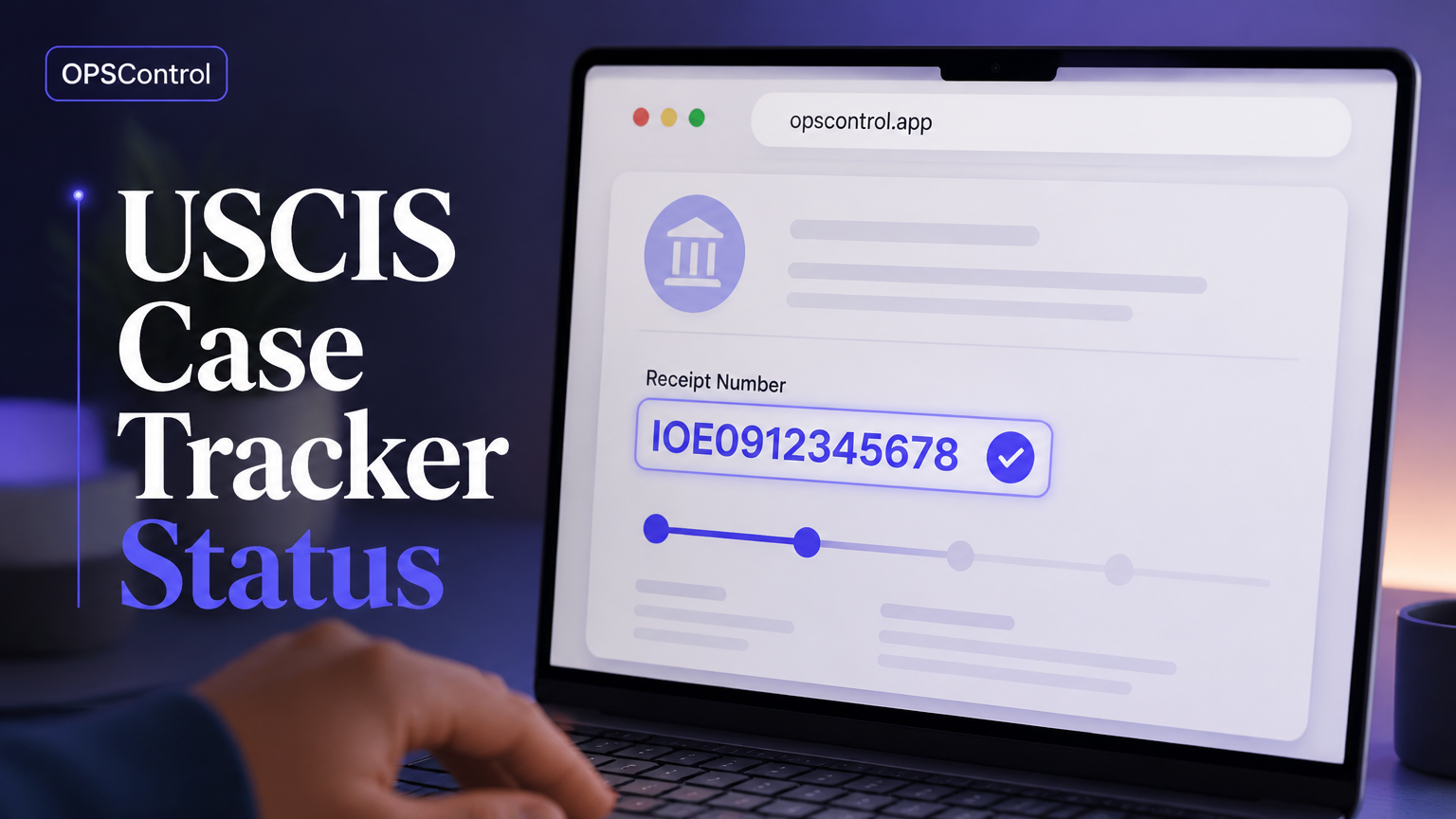
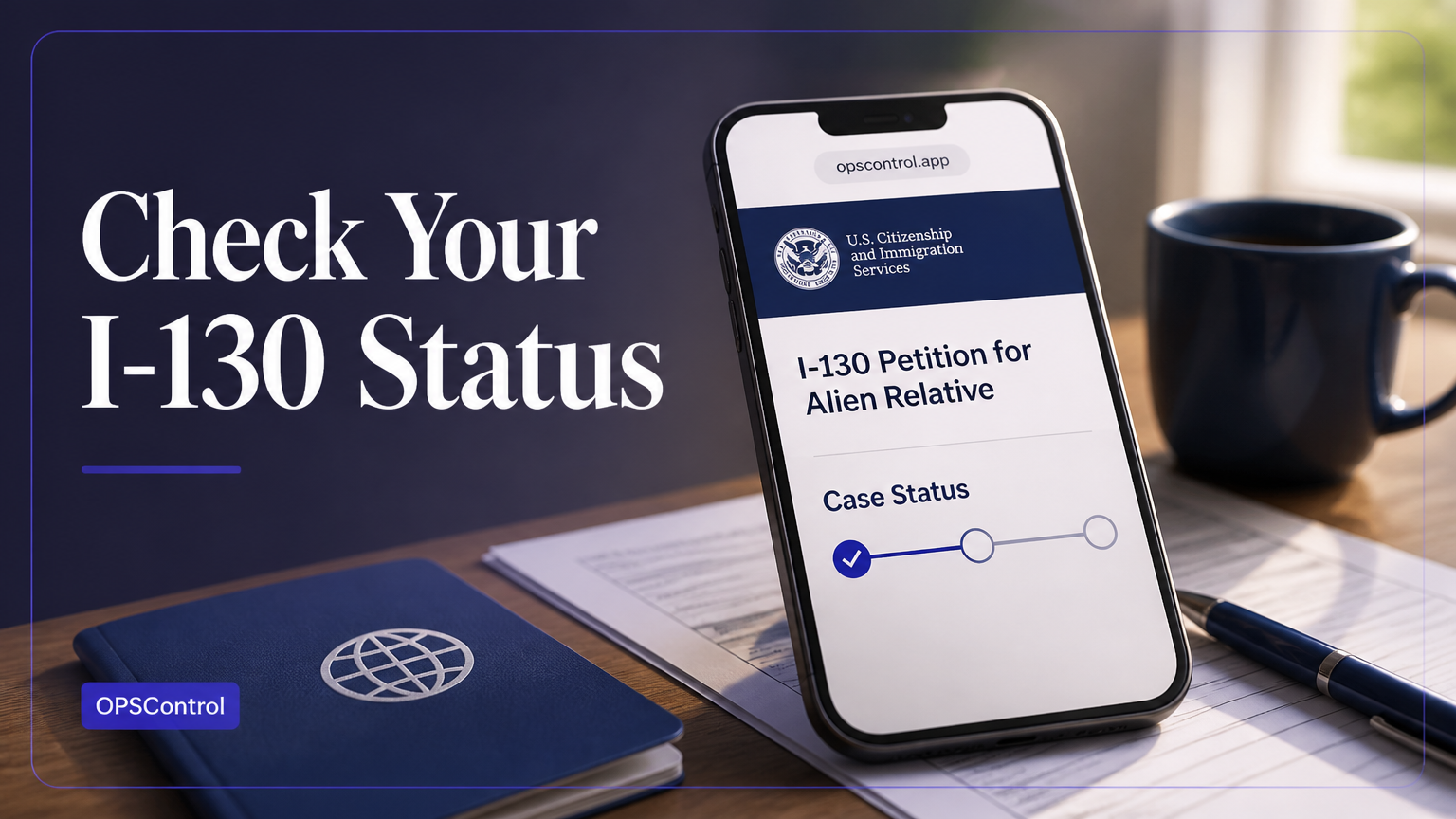
USCIS publishes status updates through its online case status tool. To use it, you need the receipt number printed on the I-797 Notice of Action you received after filing. Enter it on the USCIS case status page to see the current message and the date of the last update.
An alternative is to create a free USCIS online account, which lets you view your case history and any electronic notices in one dashboard. Either route is official and free.
Understanding I-130 Status Messages
The messages look similar to other forms, but it helps to know what each one means for a family petition specifically. "Case Was Received" means the petition is in the system. "Case Is Being Actively Reviewed" means an officer is reviewing the qualifying relationship and evidence. "Request for Evidence Was Sent" means USCIS needs more proof — often of the family relationship, a legal name change, or the termination of a prior marriage. "Case Was Approved" moves you to the visa or adjustment stage. "Case Was Denied" triggers strict deadlines to appeal or reopen.
Common Reasons I-130 Cases Slow Down
Family petitions often stall for recurring reasons. Incomplete or unclear evidence of the relationship is the most common trigger for an RFE. Discrepancies between documents — such as a name spelled differently on the marriage certificate and the passport — can raise questions. A beneficiary who overstayed a visa may face additional scrutiny and need an unlawful-presence waiver. And interviews, where required, sometimes add weeks or months to the timeline.
The Silent Update Problem
A well-known frustration with USCIS tracking is the silent update: a change to your online status that does not generate an email, text, or paper notice. The only way to discover it is to check the portal yourself and see that the status has moved. For someone checking infrequently, this can mean missing a milestone — or a request for action — for weeks.
Automated monitoring is the practical answer. A service that checks the portal continuously on your behalf turns silent updates into timely alerts.
How an Automated Tracker Helps With a Family Petition
If you are sponsoring a spouse or parent, the stress of waiting is real, and checking a portal every day does not help. An automated tracker such as OPSControl checks your I-130 around the clock. The moment the status changes — including silent updates — you receive a notification, and every change is saved to a timeline for your review.
This is especially helpful when the beneficiary is abroad and coordinating documents, or when the petitioner is juggling the stress of a long-distance process.
What to Do When USCIS Asks for Evidence
If your status changes to "Request for Evidence Was Sent," act quickly. The deadline is typically within 87 days of the notice date, and it is not always the same as the date the letter arrives. Gathering documentation takes time, so the earlier you know about the RFE, the better.
Common RFE responses for an I-130 include the marriage or birth certificate, divorce decrees for prior marriages, proof of a petitioner's legal name change, and photos or financial evidence of a bona fide relationship where applicable.
After Approval: What Comes Next
An approved I-130 is not a green card. It proves the family relationship and reserves your place (the "preference date" for many categories). Next, the beneficiary either files Form I-485 to adjust status in the U.S., or goes through consular processing at a U.S. embassy or consulate abroad with a National Visa Center (NVC) step in between.
For immediate relatives of U.S. citizens, there is no visa number wait, so the process moves faster. For other categories, the visa bulletin determines how long the beneficiary waits before the next step is available.
Frequently Asked Questions
Here are the most common questions about tracking an I-130 family petition.