

The Numbers and What They Mean
Every USCIS service center publishes processing times for the forms it handles. These are ranges — an "X months to Y months" window — that estimate how long a case generally takes to move from receipt to a decision.
The key to reading them correctly is understanding that they describe the whole queue, not your specific case. An average is not a promise, and individual cases can move faster or slower.
What Moves the Numbers
Processing times shift with the volume of incoming filings, the staffing at each center, and how many cases are already in the queue. Changes in policy or priorities can also reshape the backlog.
Because these numbers move on their own schedule, they are a rough guide rather than a precise forecast.
Reading Your Own Case Against the Trend
The most useful question is not "what is the average?" but "where is my case, right now?" Your individual case status — when it was received, when it moved to active review, how long it has sat there — is the real signal.
Knowing the average helps set expectations; knowing your own case tells you where you actually stand.
Why Stale Information Misleads
The risk of relying on a number you checked weeks ago is that by the time it matters, the situation has changed. Processing times and case statuses both move, and a figure from last month may no longer apply.
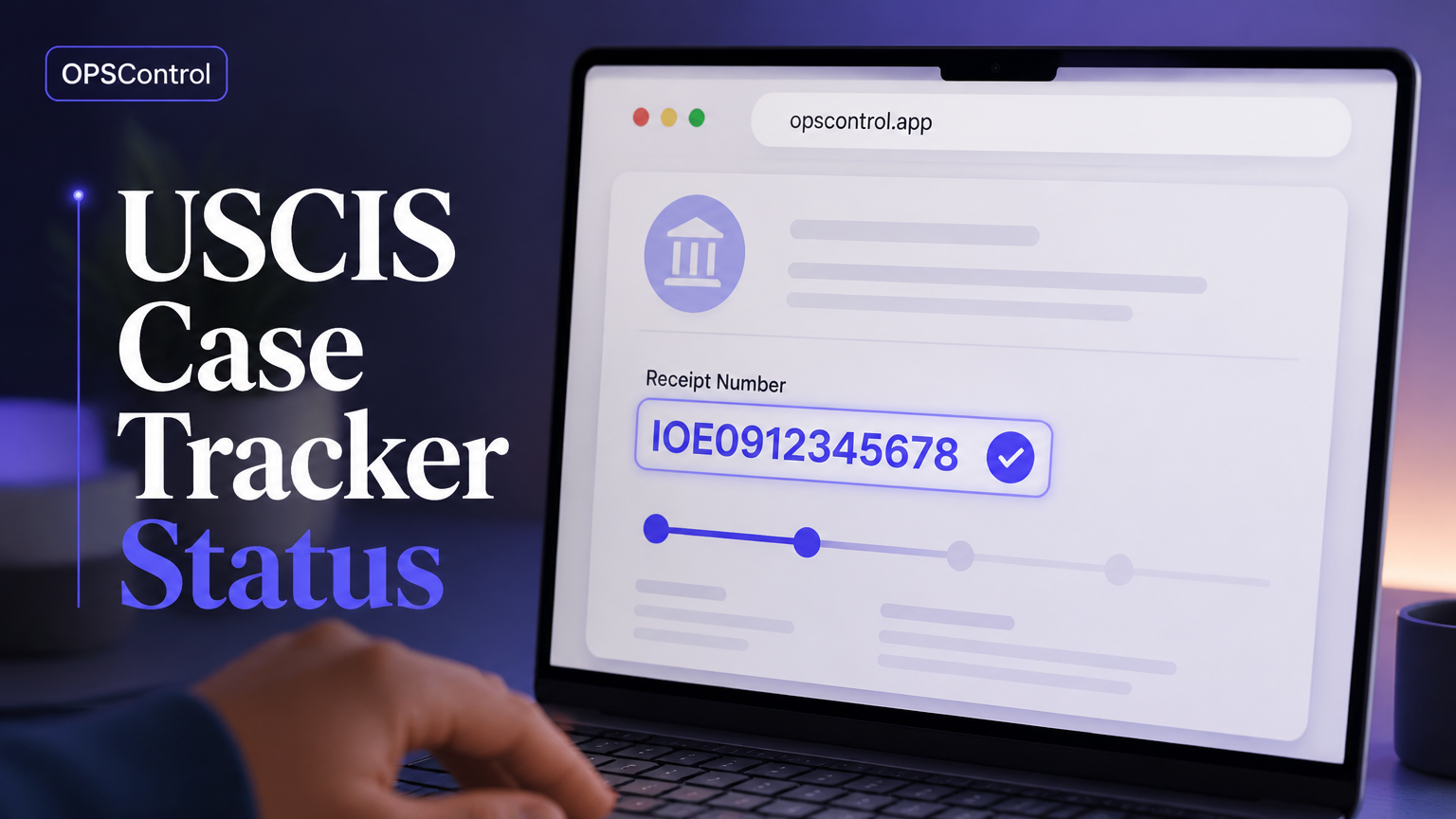
This is where keeping your own view current matters. A case tracker keeps your attention on the facts that change.
Using the Official Tool Correctly
The official USCIS status tool is the authoritative source for your case. Checking it directly is always a sound baseline.
Pairing that with automated monitoring means you never have to check repeatedly yourself — the tracker does it for you.
Preparing for Long Waits
Long waits are normal for many forms. Planning around them — keeping documents close, updating your employer, and staying informed — turns a passive wait into an active one.
Having reliable information is the difference between waiting anxiously and waiting with confidence.
Frequently Asked Questions
Common questions about reading USCIS processing times.